
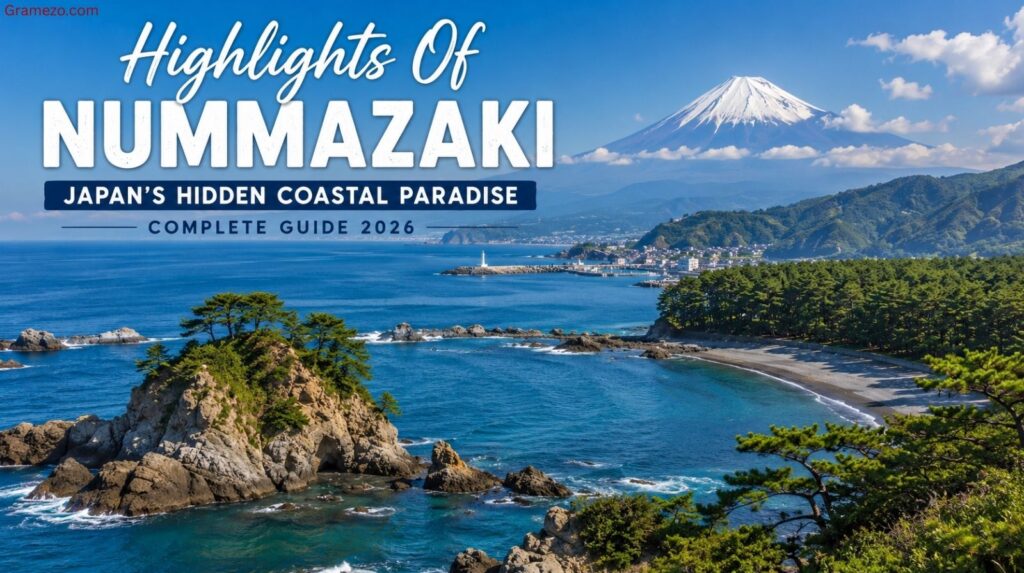
If you’re tired of crowded tourist spots and curated experiences, Nummazaki quietly flips the script. This stretch of coastline doesn’t try to impress you. It doesn’t need to.
Instead, it offers something far more rare an authentic, slow, and deeply immersive coastal experience that feels untouched by mass tourism.
Set along the edge of Suruga Bay, this overlooked gem blends rugged cliffs, pine-lined shores, fishing villages, and some of the freshest seafood in Japan. You won’t find neon lights or packed boardwalks here. What you will find is space. Silence. And views that linger long after you leave.
This is your complete, no-fluff Nummazaki travel guide 2026, built to help you understand exactly what makes this place worth your time.
Where Is Nummazaki and Why Travelers Are Finally Discovering It
Nummazaki sits along the Numazu coast in the Shizuoka coastal region, facing the deep waters of Suruga Bay. It forms part of the broader Izu Peninsula coastline, a region known for its volcanic origins and dramatic shoreline.
Geographically, it’s well-positioned. You’re roughly 90 minutes from Tokyo by train. Yet somehow, it feels a world away.
That contrast explains why this destination remained hidden for so long.
Most travelers chasing Japan seaside travel experiences head to famous beaches or resort towns. Nummazaki doesn’t advertise itself. It doesn’t show up on typical itineraries. So it stayed under the radar.
Now, that’s changing.
As more people search for hidden Japan destinations and authentic travel experiences, Nummazaki has started to gain attention. Not because it transformed, but because travelers did. People want less noise and more meaning. This coast delivers both.
What Makes Nummazaki Special (And Why It Feels Different)
You notice the difference the moment you arrive.
There’s no rush. No pressure to “do everything.” The air feels slower. The rhythm shifts.
Unlike overdeveloped beach towns, Nummazaki keeps things simple. Fishing boats still define the harbor. Locals move with purpose, not performance. The coastline remains raw and unfiltered.
This is slow travel Japan at its finest.
Instead of curated attractions, you get experiential tourism. You watch fishermen unload their catch. You walk along quiet pine forests. You sit by the water without needing a plan.
Some travelers fall in love instantly. Others don’t get it at all.
That’s the point.
If you crave nightlife and luxury resorts, you might feel underwhelmed. But if you value space, nature, and authenticity, this place hits differently.
The Dramatic Coastline of Nummazaki: Cliffs, Pines, and Ocean Power
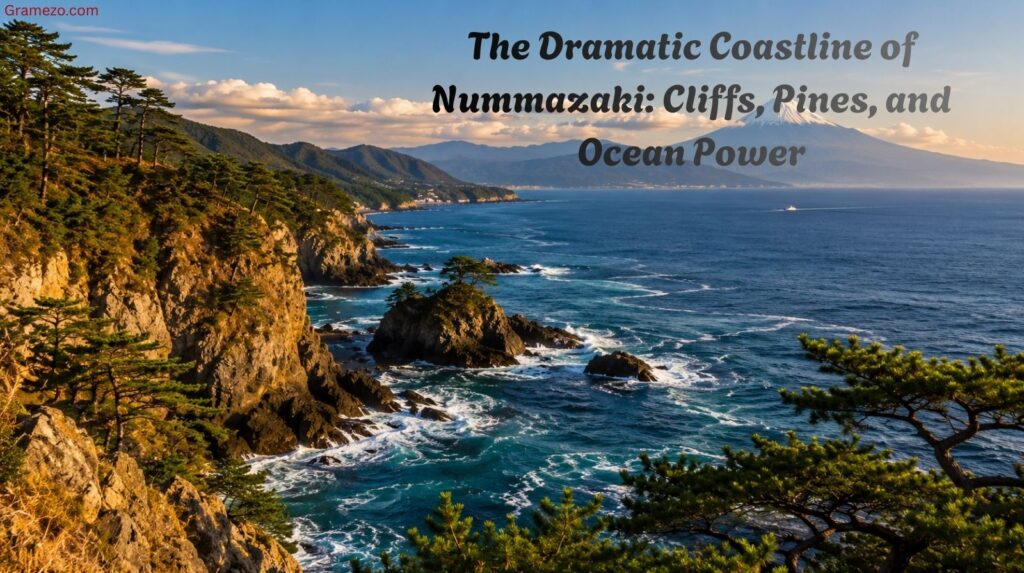
The defining feature of Nummazaki is its volcanic coastline Japan rarely showcases in mainstream guides.
This isn’t soft sand and calm waves.
It’s jagged cliffs. Black rock formations. Deep blue water that stretches endlessly. Pine trees bending with coastal winds. Every element feels alive.
The coastline formed through volcanic activity tied to the Izu Peninsula. Over time, erosion sculpted dramatic shapes into the rock. The result is a rugged shoreline Japan travelers rarely expect.
And then there’s the contrast.
On one side, the dark volcanic rock. On the other, the bright green of pine-lined beaches Japan is known for. Add the ocean’s shifting blues, and you get a visual palette that feels almost surreal.
Clear days bring another reward.
From certain viewpoints, you’ll catch breathtaking Mount Fuji views Japan travelers dream about. The mountain rises quietly in the distance, framed by ocean and sky.
It doesn’t dominate the scene. It completes it.
Top Attractions in Nummazaki You Shouldn’t Skip
Some places demand attention. Others reveal themselves slowly.
Nummazaki leans toward the second.
Cape Ose: Where Land Meets Ocean Drama
Cape Ose stands out as one of the most striking points along the coast. A narrow stretch of land extends into the sea, surrounded by water on both sides.
Walk out toward the edge, and you’ll feel it.
Wind. Space. Perspective.
It’s the kind of place where you stop talking without realizing it.
Senbon Matsubara: The Iconic Pine Grove
This historic pine forest runs parallel to the shoreline, creating a peaceful corridor between land and sea.
Locals have protected these trees for generations. Walking through them feels almost meditative. The sound of waves filters through the trunks. Light shifts gently between branches.
It’s not dramatic. It’s grounding.
Hidden Harbors and Quiet Edges
Beyond the known spots, small fishing harbors offer some of the most memorable experiences.
Sit near the docks. Watch daily routines unfold. Boats come and go without ceremony. It’s simple, but it stays with you.
Things to Do in Nummazaki (Beyond Just Sightseeing)
You don’t “check off” Nummazaki. You experience it.
That said, there’s plenty to do if you know where to look.
Start with coastal walks. These paths follow the edge of the ocean, offering constant views of the scenic coastal Japan landscape. You’ll pass cliffs, pine forests, and small inlets along the way.
Cycling works just as well. The coastal roads feel made for it. Traffic stays light, and the scenery keeps changing.
For something more immersive, try kayaking. Paddling along the shoreline reveals details you’d miss on land. You’ll notice rock textures, water clarity, and shifting colors.
Fishing also plays a big role here.
Join locals if you get the chance. It’s not just about catching fish. It’s about understanding the rhythm of harbor towns Japan still relies on.
Marine Life and Underwater World: A Hidden Ecosystem
Beneath the surface, Nummazaki offers something even more unique.
Suruga Bay ranks as one of the deepest bays in Japan. That depth creates a rare environment where different marine layers coexist.
The result?
Exceptional marine biodiversity Suruga Bay supports year-round.
Divers often spot species that don’t appear in shallower coastal areas. Deep-water fish, migrating pelagic species, and vibrant micro-ecosystems all thrive here.
Even if you don’t dive, you’ll notice the difference.
The water carries a richness. Fishermen talk about it. Restaurants reflect it. This ecosystem directly shapes the local economy and culture.
Seasonal changes add another layer.
In certain months, plankton activity increases, attracting larger marine life. Occasionally, you might even witness subtle bioluminescent effects at night.
It’s not guaranteed. But when it happens, it feels magical.
Best Wireless Earbuds Under $200 In 2024: Premium Sound Without Premium Pricing
Food Culture: Fresh Seafood That Defines Nummazaki
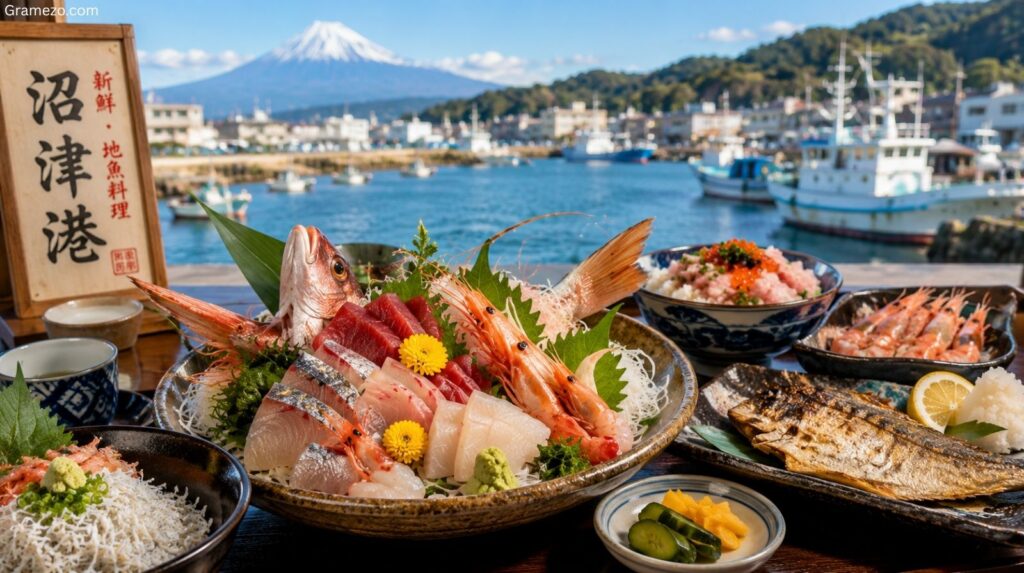
Food here isn’t just good. It’s immediate.
Boats arrive. Fish unload. Kitchens prepare.
There’s almost no gap between ocean and plate.
That’s why the Japanese seafood culture feels especially vivid here. The flavors stay clean, natural, and deeply satisfying.
Expect dishes built around freshness. Sashimi cuts that highlight texture. Grilled fish seasoned simply. Rice bowls topped with whatever the day brought in.
A typical meal often follows a balanced structure:
| Component | Description |
|---|---|
| Main Fish Dish | Grilled or raw seafood |
| Rice | Locally sourced and lightly seasoned |
| Soup | Often miso-based |
| Side Dishes | Pickled vegetables or small seasonal items |
What makes it stand out isn’t complexity. It’s honesty.
You taste the ocean. Nothing tries to overpower it.
Culture and Local Life: Inside Coastal Communities
Nummazaki isn’t built for tourists. It’s built for living.
Fishing communities still anchor daily life. Early mornings start with activity at the harbor. Afternoons slow down. Evenings settle into quiet routines.
You’ll notice traditions that haven’t disappeared.
Shrines sit near the coast, often tied to sea protection and fishing success. Locals visit them regularly, not as a performance, but as habit.
Seasonal festivals bring energy to these otherwise calm towns. They often celebrate harvest cycles or maritime history. You won’t find large crowds, but you’ll feel genuine connection.
This is what cultural immersion travel looks like when it’s real.
Outdoor Adventures for Active Travelers
If sitting still isn’t your style, Nummazaki still delivers.
The coastline offers excellent coastal hiking Japan routes. Trails climb gently, revealing elevated views of the ocean and surrounding land.
Cycling routes weave through villages and along the coast. You’ll pass farmland, small shops, and open stretches of road that feel almost cinematic.
Water activities add another dimension.
Kayaking, paddleboarding, and even small boat tours let you interact directly with the sea. Conditions vary by season, so timing matters.
The key difference here?
Nothing feels commercialized. You’re not following crowds. You’re exploring.
Onsen and Relaxation: A Different Kind of Luxury
After a long day by the coast, nothing beats soaking in an onsen.
The onsen culture in this region focuses on simplicity. You won’t always find large luxury resorts. Instead, you’ll discover smaller, more intimate baths.
The experience feels personal.
Hot mineral water relaxes muscles. The quiet setting clears your mind. Sometimes, you’ll even find baths with ocean views.
For first-timers, etiquette matters. Clean yourself before entering. Keep noise low. Respect shared space.
Once you understand the flow, it becomes second nature.
Geekzilla Tio Geek Explained: The Truth Behind The Viral Tech Phenomenon Taking Over 2026
Where to Stay in Nummazaki (Best Areas Explained)
Accommodation here reflects the local lifestyle.
You’ll mostly choose between traditional and simple modern stays.
Ryokan offer a deeper cultural experience. Tatami rooms, seasonal meals, and attentive service define the stay.
Minshuku feel more like family homes. They’re smaller, more casual, and often run by locals.
Location also matters.
| Area Type | Best For | Experience |
|---|---|---|
| Harbor Area | Food lovers | Easy access to seafood spots |
| Coastal Edge | Views | Quiet and scenic |
| Inland | Budget travelers | More affordable, less crowded |
Each option offers something different. Choose based on your travel style, not just price.
Best Time to Visit Nummazaki (Seasonal Breakdown)
Timing shapes your experience more than you might expect.
Spring brings mild weather and blooming landscapes. It’s comfortable for walking and exploring.
Summer opens the door for water activities. Days run longer, but humidity increases.
Autumn offers some of the best conditions. Clear skies, cooler air, and fewer visitors create an ideal balance.
Winter feels quieter. The ocean turns dramatic, and visibility improves. This is often the best time for Mount Fuji views Japan travelers chase.
Each season changes the mood. None feel wrong.
How to Get to Nummazaki Without Stress
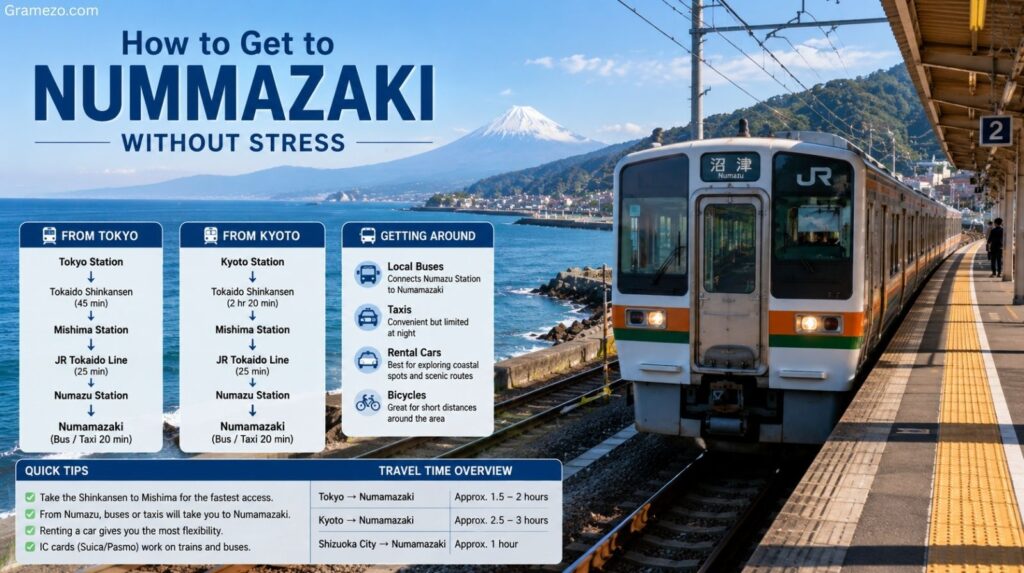
Getting here feels easier than expected.
From Tokyo, take the Tokaido Shinkansen to Mishima or Shizuoka. Then switch to a local line toward Numazu.
From Kyoto, the route follows a similar path.
Once you arrive, you have options.
Public transport works, but it limits flexibility. Renting a car gives you full access to coastal routes and hidden spots.
If you plan to explore deeply, driving makes a big difference.
Smart Itinerary Plans (1–3 Days)
A single day gives you a taste. Two days let you breathe. Three days create connection.
Day one often focuses on major highlights. Coastal walks, key viewpoints, and local food.
Day two slows things down. Add cycling, harbor exploration, and perhaps a cultural experience.
Day three opens space for flexibility. You can revisit favorite spots or explore areas you missed.
The key?
Don’t rush.
Practical Travel Tips Most Guides Skip
Bring cash. Smaller places may not accept cards.
Pack layers. Coastal weather shifts quickly.
Learn a few basic Japanese phrases. It helps more than you expect.
Stay flexible. Weather can change plans, but often for the better.
Sustainable Travel in Nummazaki
This region hasn’t faced heavy tourism pressure yet.
That’s a gift.
Respect it.
Support local businesses. Avoid leaving waste. Follow marked paths. Small actions matter more here.
Sustainable travel isn’t a concept. It’s a responsibility.
Who Should Visit Nummazaki (And Who Shouldn’t)
This destination works best for certain travelers.
You’ll love it if you enjoy nature, photography, and quiet experiences. It fits perfectly into offbeat Japan coast exploration.
You might struggle if you expect nightlife, luxury shopping, or constant activity.
Know your style before you go.
FAQs
Is Nummazaki worth visiting in 2026?
Yes, especially if you want an authentic Japan travel guide 2026 experience away from crowds.
Can you explore without a car?
You can, but you’ll miss some hidden areas.
How many days should you spend?
Two days works well for most travelers.
Final Verdict: Is Nummazaki Japan’s Best-Kept Coastal Secret?
Nummazaki doesn’t try to compete with famous destinations.
It offers something different.
Space. Authenticity. Connection.
In a country filled with incredible places, that combination feels rare.
If you’re searching for a true hidden coastal paradise Japan still protects, this might be it.
Discover More Articles
- Money BetterThisWorld: A Modern Guide To Purposeful Wealth In 2026
- Coolkingzone com: Why This Multi-Topic Digital Platform Is Quietly Dominating Online Attention
- Mastering Your Health: The Power Of Supplement Management with TheSpoonAthletic (Complete Guide 2026)
- Minecraft PlayBattleSquare: Tips, Tricks, And Community Fun (Complete Guide 2026)
Read more knowledgeable blogs on meezvo.com

Kiara Connah is an expert blogger focused on Grammar Guides and Grammar Tips, providing clear explanations, practical examples, and easy-to-follow advice to help writers, students, and professionals improve accuracy, clarity, and confidence in their writing.